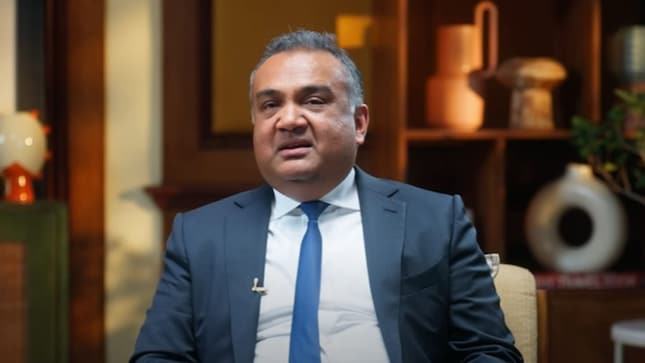

YouTube CEO Neal Mohan outlines AI priorities as platform scales generative tools
Over the coming year, creators will be able to generate Shorts using their own likeness, build games from simple text prompts and experiment with AI-assisted music tools. “AI should remain a tool for expression, not a replacement,” Mohan said.

ADVERTISEMENT
YouTube is making its artificial intelligence ambitions more explicit, outlining how AI will increasingly shape content creation, discovery and viewing on the platform in the year ahead.
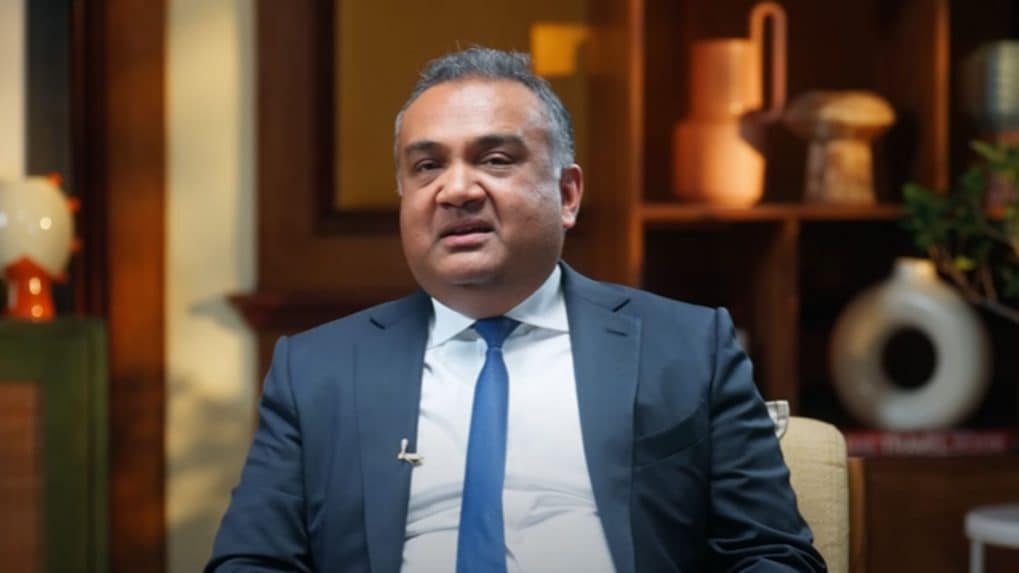
In a blog post published this week, YouTube CEO Neal Mohan detailed four areas the company believes it must “get right” in 2026 as AI becomes more visible across its ecosystem. While AI has long powered recommendations, moderation and platform operations, Mohan said the next phase would bring AI tools directly into the hands of creators and viewers.
At the centre of YouTube’s strategy is what Mohan described as a “new creative frontier.” Comparing AI to earlier technological shifts such as synthesizers, Photoshop and CGI, he positioned it as a tool that lowers barriers to creativity rather than replacing human expression. YouTube said more than one million channels used its AI creation tools daily in December.
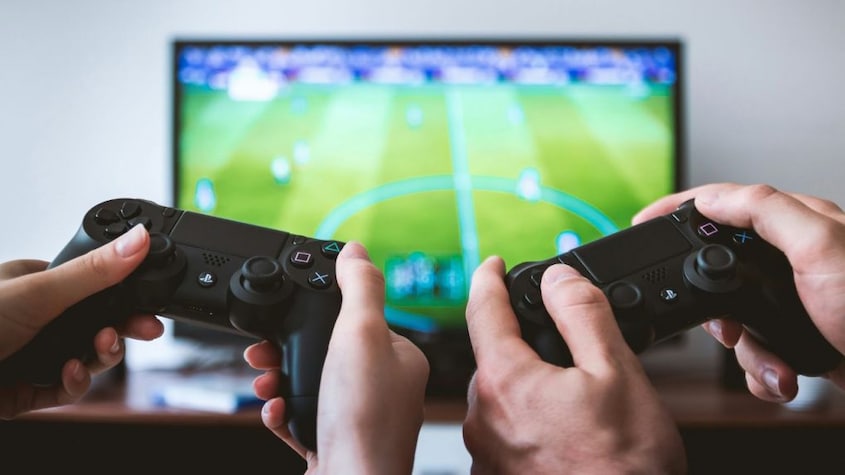
Over the coming year, creators will be able to generate Shorts using their own likeness, build games from simple text prompts and experiment with AI-assisted music tools. “AI should remain a tool for expression, not a replacement,” Mohan said.
The second pillar of YouTube’s AI roadmap focuses on transparency and creator protection. As AI-generated content becomes increasingly realistic, the platform acknowledged the growing risks posed by deepfakes and synthetic media. YouTube already labels content created using its AI tools and requires creators to disclose realistic altered or synthetic content. Where such disclosures are missing, the company said it will remove harmful content that violates its Community Guidelines.
YouTube is also expanding its Content ID system to give creators greater control over how their likeness is used in AI-generated material. Mohan added that the company supports legislative efforts such as the NO FAKES Act to protect creative integrity.
Another concern highlighted by Mohan is the rise of what he termed “AI slop” — low-quality, repetitive content produced at scale. While YouTube said it will continue to allow broad creative freedom, it acknowledged a responsibility to maintain a high-quality viewing experience. The platform plans to strengthen existing systems designed to combat spam and clickbait, limiting the reach of low-value AI-generated content without imposing rigid creative rules.
The final focus area involves transforming how viewers engage with content. AI is increasingly being used to bridge curiosity and understanding. In December, more than 20 million users used YouTube’s Ask tool to learn more about the videos they were watching. AI is also being deployed to improve accessibility, with over six million daily viewers watching at least ten minutes of autodubbed content during the same period.
Mohan framed AI as a long-term investment in YouTube’s creator ecosystem. “The most important creator in five or ten years is someone you’ve never heard of who’s starting today,” he said, adding that YouTube’s goal is to build the stage for that future creator rather than predict who they will be.